
What Level of GGT Is Dangerous? Protect Your Liver
Learn what level of GGT is dangerous and understand normal GGT ranges. Discover causes of high GGT, health risks and when to see a doctor for clarity.
What Level of GGT Is Dangerous?
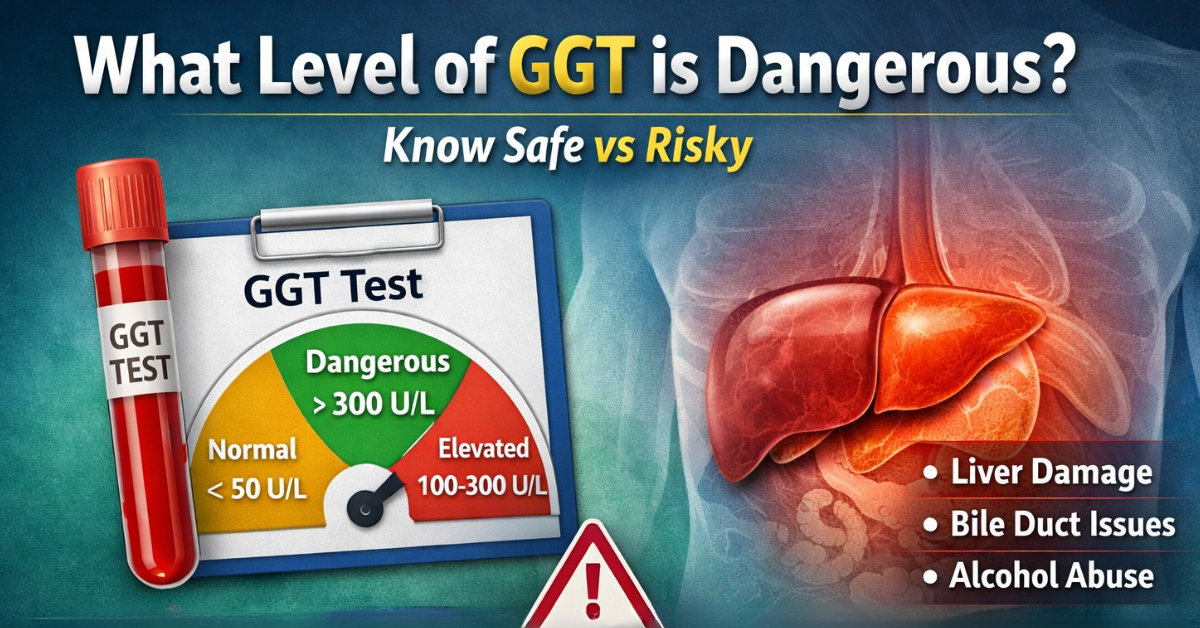
A GGT level above 300 U/L is considered dangerous and may indicate serious liver damage or bile duct problems. Such high values require immediate medical attention and further testing. Levels between 100-300 U/L suggest moderate liver stress and should not be ignored. Values below 50 U/L are usually considered normal in healthy adults.
Gamma glutamyl transferase is an important liver enzyme. It helps doctors understand liver health. Many people see high values in reports and feel worried. This guide explains what level of GGT is dangerous. It uses simple words and clear ranges. The goal is easy understanding without medical confusion.
What Is a GGT Test?
Gamma glutamyl transferase is an enzyme. It is mostly found in the liver. Small amounts exist in kidneys and pancreas. Its main job is to support detox processes. It helps break down toxins and medicines. Doctors check it using a blood test.
A GGT test is a blood test. It measures gamma glutamyl transferase levels. Doctors order it with other liver tests. It helps confirm liver or bile duct issues.
The ggt test is common in India. It is affordable and widely available. Doctors also use it to check alcohol effects.
Normal GGT Levels Explained Simply
Normal values vary by lab. Indian labs follow similar ranges. For adults, normal GGT is usually
5 to 48 units per liter. Slight variation is common. Age and gender can affect results. Normal levels mean the liver is working well.
Understanding GGT Levels by Risk
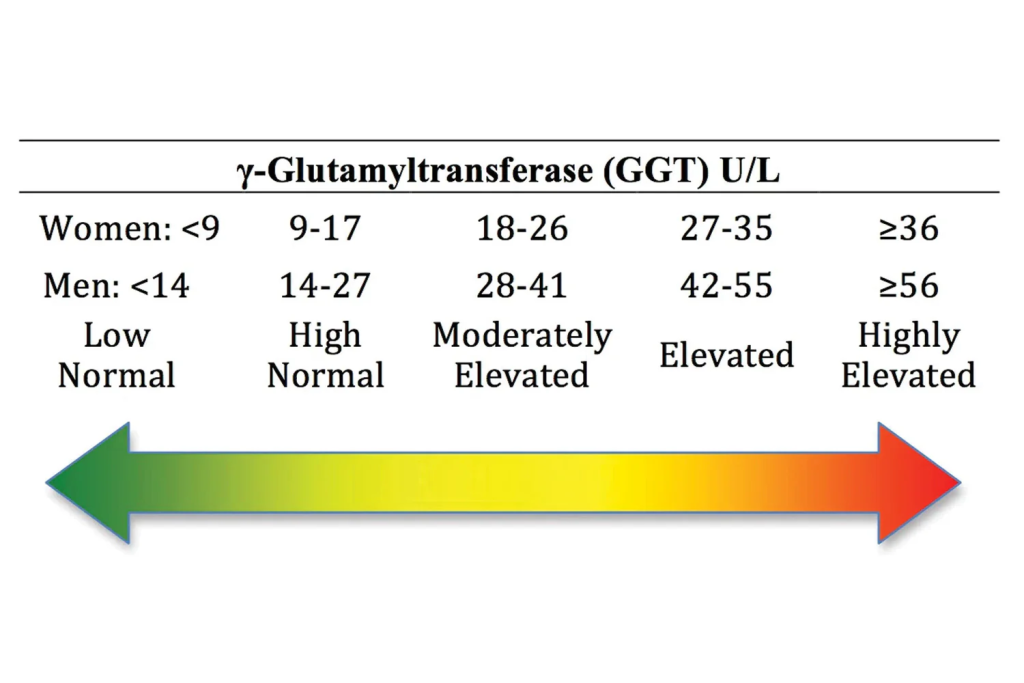
Doctors sort results by range. This makes understanding easier.
Mild elevation:
50 to 100 U/L
This may relate to lifestyle issues.
Moderate elevation:
100 to 300 U/L
This often indicates liver inflammation.
Severely high level:
Above 300 U/L
This is considered dangerous. At this stage, testing is urgent.
Symptoms Seen With Dangerous GGT Levels
High enzyme values may show symptoms. Some people remain symptom free. Common warning signs include:
- Fatigue
- Yellow eyes or skin
- Abdominal pain
- Nausea
- Dark urine
- Loss of appetite
Symptoms mean urgent care is needed.
Common Causes of High GGT Levels
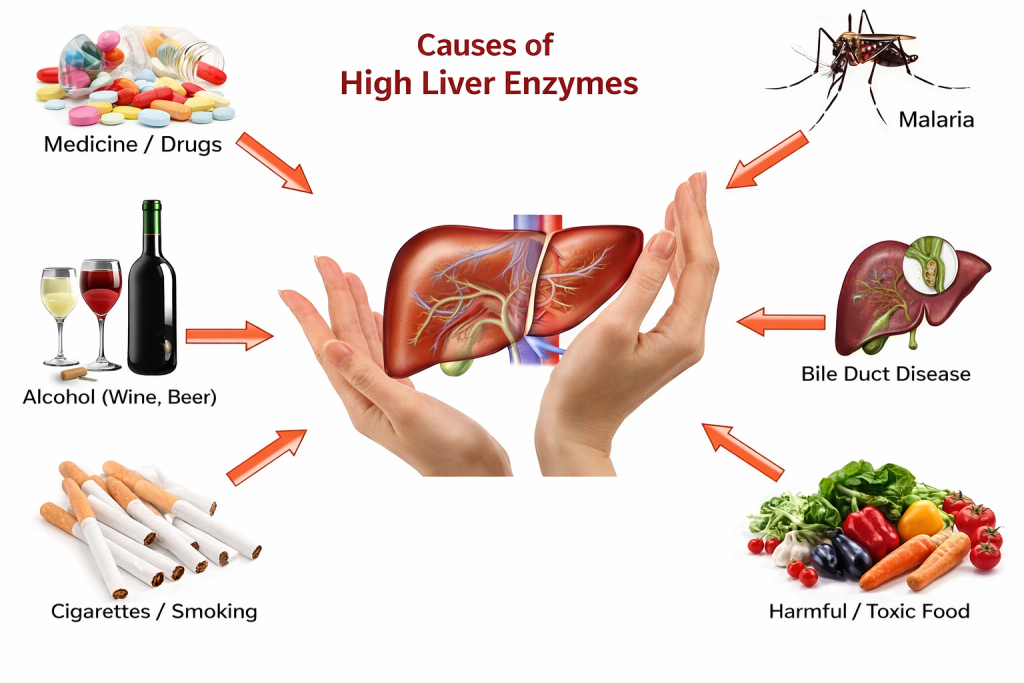
Several factors can increase enzyme values. Lifestyle plays a major role. Common causes include:
- Alcohol consumption
- Fatty liver disease
- Hepatitis infection
- Bile duct blockage
- Certain medicines
- Obesity and smoking
Long term causes are more serious. Early detection improves outcomes.
Health Risks of Very High GGT
Dangerous levels increase long term risks. The liver controls many body functions. Risks include:
- Liver failure
- Heart disease
- Type 2 diabetes
- Chronic inflammation
- Poor toxin removal
Why Doctors Never Ignore GGT Above 300
Values above 300 signal danger. They rarely occur without a reason. Doctors investigate immediately. Further imaging or tests follow. Early treatment may prevent permanent harm..
Diet Tips for Lowering GGT
Diet affects liver health strongly. Simple changes show results.
Eat more:
- Fruits and vegetables
- Whole grains
- Lean protein
- Healthy fats
Avoid:
- Fried foods
- Sugary drinks
- Processed snacks
Conclusion
Knowing what level of GGT is dangerous helps early action. Values above 300 U/L signal serious risk. High results often reflect liver stress or damage. Lifestyle changes improve many cases. Medical guidance is essential for safety. Timely care protects long term health.