
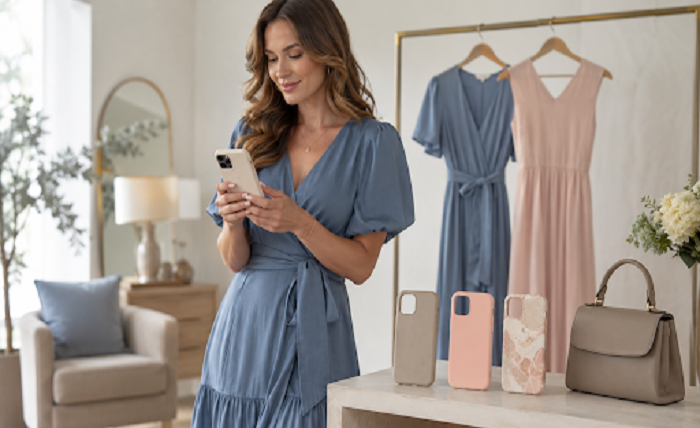
Personal style is often expressed through both clothing and the accessories people use each day. Women dresses can establish the color, shape, and mood of an outfit, while phone cases add a smaller visual detail that remains present during work, travel, social activities, and casual routines. Coordinating these two categories does not require exact matching. A shared color, texture, or design element can create a connected appearance without making the combination feel overly planned.
Different dress styles can guide the selection of a phone case. A solid-colored midi dress may pair naturally with a patterned case, while a printed dress may feel balanced with a case in a single neutral shade. Casual shirt dresses, knit dresses, wrap silhouettes, evening designs, and seasonal maxi dresses each create different styling directions. The phone case can support the outfit through color or contrast while continuing to protect the device.
Material is another point of connection. A smooth case may complement dresses with clean lines and structured fabrics. Soft-touch finishes can relate to relaxed jersey or knit garments, while transparent cases allow the phone’s original color to remain visible. Decorative cases may include texture, metallic details, or subtle patterns, but shoppers should make sure raised elements do not interfere with comfortable handling or storage.
Function should remain part of the decision. Phone cases must fit the exact device model and provide access to buttons, speakers, cameras, ports, and charging features. A case should also feel secure in the hand and fit inside the handbag or pocket used with the dress. Oversized decorations may look appealing but can make the phone difficult to carry in a compact evening bag.
Women dresses should also be selected according to the occasion, weather, movement, and care requirements. A coordinated phone case cannot compensate for clothing that feels restrictive or unsuitable for the event. Both products should support the wearer’s actual routine.
By considering color, fabric, shape, protection, and portability, shoppers can connect women dresses with phone cases in a practical way. The result is a personal style that extends from the main outfit to an everyday technology accessory without sacrificing comfort or device function.
Choosing women dresses begins with understanding the occasion, setting, weather, and expected level of formality. A dress that works for a casual afternoon may not suit an office meeting or evening celebration. Reviewing these factors before shopping can help customers select clothing that supports comfort, movement, and personal style throughout the event.
Casual dresses are often designed for flexible daily use. Shirt dresses, knit dresses, T-shirt dresses, and relaxed midi styles can be worn for errands, informal meetings, travel, or time with friends. Breathable fabrics and simple silhouettes may support extended wear, while pockets can provide practical storage. If a phone will be carried in a dress pocket, the pocket should be deep and secure enough to hold the device without pulling the fabric out of shape.
Workwear dresses typically feature defined cuts, moderate lengths, and fabrics that maintain their structure during the day. Wrap dresses, sheath silhouettes, belted styles, and tailored midi dresses may suit various professional settings. Workplace expectations differ, so shoppers should consider the environment and any established dress code. A neutral phone case can coordinate with several office outfits and may fit easily inside a structured handbag.
Social events provide opportunities to explore different colors, fabrics, and details. Cocktail dresses, flowing maxi dresses, and formal designs can suit dinners, celebrations, and ceremonies depending on the invitation. A phone case selected for an event should fit inside the intended clutch or evening bag. Slim cases may require less space, but they should still provide the level of device protection the owner expects.
Season also affects dress selection. Lightweight cotton, linen blends, and breathable materials can suit warm conditions, while knit fabrics, velvet, and layered designs may be used during cooler months. Phone cases can reflect seasonal colors, but practical issues such as grip, charging compatibility, and durability should remain part of the choice.
Before ordering women dresses online, customers should check garment measurements, fabric composition, lining, stretch, length, and care instructions. For phone cases, the exact phone model, camera layout, port access, and wireless charging compatibility should be confirmed.
When occasion, fit, weather, and storage needs are considered together, shoppers can select dresses and phone cases that function naturally within the same daily routine.
Selecting phone cases involves balancing device protection, appearance, compatibility, and everyday handling. A case may function as part of an outfit, but its primary role is to fit the phone securely and help protect it from common contact, scratches, and minor impacts according to its design. Customers should review product specifications carefully because phones with similar names may have different dimensions, buttons, and camera layouts.
Compatibility should be confirmed before considering color or decoration. The product listing should identify the exact phone model and generation supported by the case. Openings should align with the camera, charging port, speakers, microphone, and controls. Shoppers who use wireless charging, magnetic accessories, screen protectors, or camera covers should also confirm that these products can function together.
Case materials influence grip, weight, flexibility, and appearance. Silicone and soft-touch materials may provide a comfortable surface, while rigid plastic cases can support printed designs and transparent finishes. Leather-style cases may coordinate with handbags, belts, shoes, or structured women dresses. Hybrid constructions often combine a firm outer layer with an impact-absorbing interior, although protective performance varies by product.
Design can connect the case with different clothing styles. Neutral phone cases may accompany office dresses, casual outfits, and formal clothing without requiring frequent changes. Floral patterns can relate to spring dresses, while geometric prints may complement dresses with simple silhouettes. Metallic details can coordinate with jewelry or handbag hardware. The phone case does not need to match the dress exactly; a related tone or contrasting accent can create visual balance.
Portability is especially important when wearing women dresses with small pockets or carrying a compact handbag. Thick cases, attached stands, card compartments, or raised decorations require additional space. A wrist strap or crossbody attachment may offer hands-free carrying, but it should connect to a reinforced point and remain comfortable during use.
Cleaning and maintenance should also be considered. Light-colored and transparent cases may show marks over time, while textured surfaces can collect dust. Customers should follow the manufacturer’s care instructions and remove the phone before using any cleaning liquid unless directed otherwise.
By checking compatibility, construction, storage, and style, shoppers can choose phone cases that support device use while coordinating naturally with women dresses and everyday accessories.
Coordinating women dresses with phone cases can begin with three visual elements: color, pattern, and texture. These details help connect a clothing item with a frequently used device without requiring both products to look identical. The combination should reflect the wearer’s preferences while remaining practical for the occasion and daily routine.
A single color family can create a simple starting point. A navy dress may be paired with a phone case in blue, gray, cream, silver, or a muted contrasting shade. Warm-colored dresses in rust, burgundy, coral, or mustard may coordinate with brown, beige, gold, or transparent cases. Neutral dresses allow flexibility because black, white, taupe, and gray can support patterned or colorful phone accessories.
Patterns require a balanced approach. Floral women dresses may be combined with a solid phone case that uses one shade from the print. A dress with stripes or geometric elements can work with a simple transparent case or a case with a subtle texture. When both the dress and case contain detailed patterns, using related colors can prevent the combination from appearing disconnected. Personal taste should guide the decision rather than a rigid styling rule.
Texture adds visual interest even when colors remain neutral. A ribbed case can relate to a knit dress, while a smooth case may complement satin-like or structured fabrics. Leather-style finishes can connect with handbags, shoes, and belts. Decorative elements such as metallic edges, attached rings, or raised patterns should be evaluated for comfort and portability as well as appearance.
The occasion influences how these elements are used. A professional setting may suit restrained colors and minimal designs. A casual outing can allow playful prints or brighter accents. For an evening event, a slim phone case with a subtle finish may fit inside a clutch without competing with detailed clothing or jewelry.
Lighting can affect how colors appear in photographs and indoor settings. Shoppers comparing products online should review several images and read descriptions instead of relying on one screen representation. Display settings can alter color accuracy.
By working with shared tones, controlled patterns, and compatible textures, consumers can coordinate women dresses and phone cases in a way that feels intentional. Practical requirements such as grip, device access, pocket size, and handbag capacity should remain part of the final choice.
Shopping online for women dresses and phone cases requires careful attention to product descriptions because each category depends on accurate fit and compatibility. Clothing must suit the wearer’s measurements and intended occasion, while a phone case must match a specific device model. Reviewing the available information before ordering can reduce sizing problems, incompatible purchases, and unnecessary returns. For travel, it is also helpful to think about how easily a dress can be folded, layered, or packed in a suitcase without wrinkling, especially when space is limited or the dress is meant for a special event.
For women dresses, the size chart on the individual product page should guide the selection. Customers can compare their bust, waist, hip, shoulder, sleeve, and length measurements with the listed garment dimensions. Sizing systems may vary between brands, so relying only on a familiar size label may not provide enough information. The intended silhouette should also be considered because a fitted sheath dress will sit differently from a relaxed shirt dress or flowing maxi design.
Fabric details can help shoppers understand how a dress may feel and move. The product description should explain the material composition, stretch, lining, closures, and care instructions. Customer reviews may offer observations about sizing, fabric weight, transparency, color, and length. Images submitted by customers can provide additional context, although fit will vary according to height, proportions, and personal preference.
Phone cases require shoppers to verify the complete device name, model, generation, size, and camera arrangement. A case made for one version may not align with another version that has a similar name. Customers should also check compatibility with wireless charging, magnetic mounts, screen protectors, camera covers, and other phone accessories already in use.
Material, grip, thickness, and raised-edge design can influence daily handling. A slim case may fit inside the pocket of a dress or a small handbag, while a case with a stand, card holder, or decorative attachment may require additional space. Product dimensions can help customers determine whether the case will fit inside an evening clutch or crossbody bag.
Return and exchange policies should be reviewed for both categories. Dresses may need to retain their tags, while phone cases may have packaging or condition requirements. Return windows, shipping responsibility, and product exclusions should be understood before purchase.
By comparing measurements, materials, compatibility, reviews, and store policies, shoppers can approach women dresses and phone cases with clear expectations and select items suited to their clothing style, device, and everyday routine.